OpenAI Setup#
Important
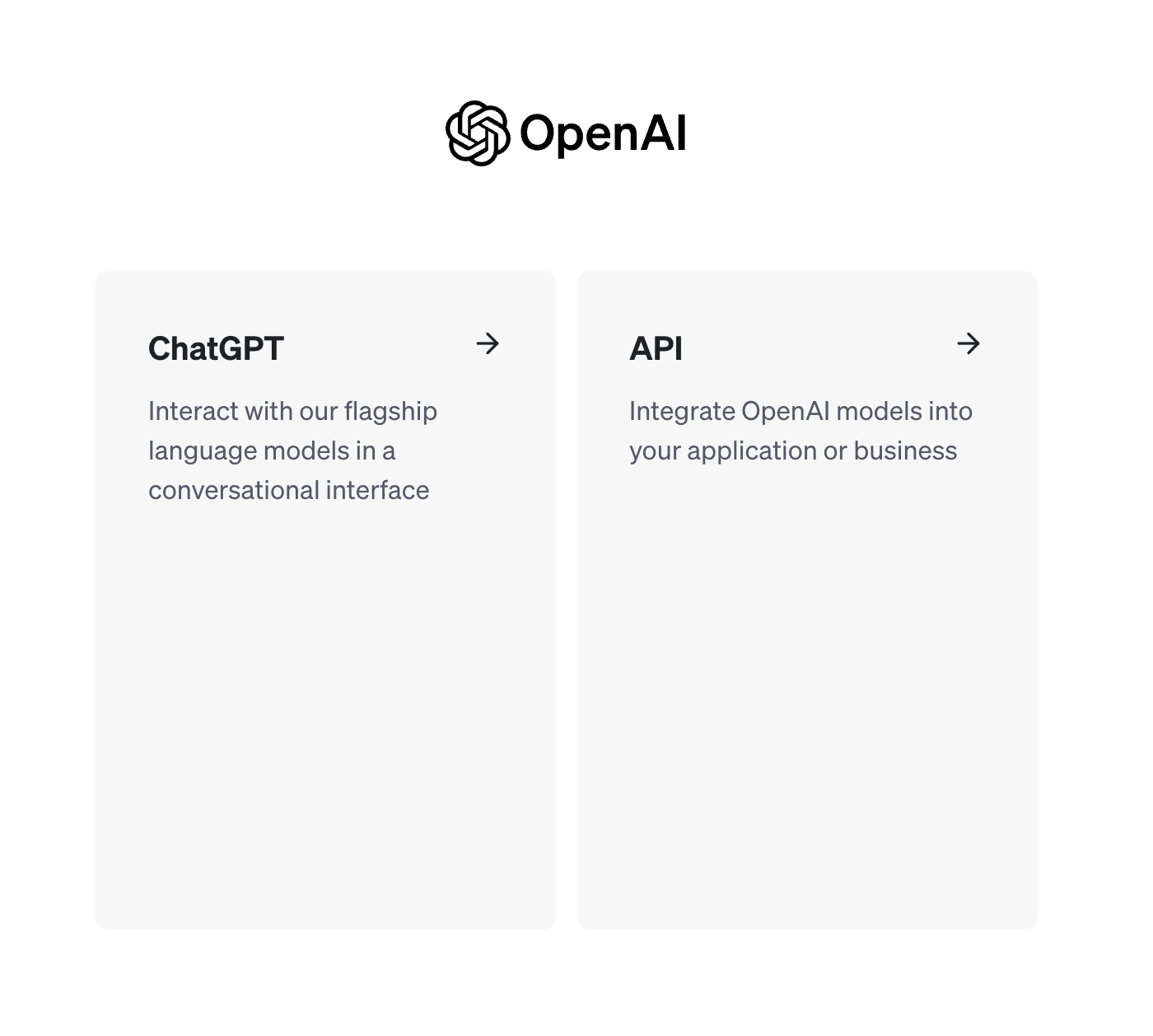
OpenAI provides two services: a web-based chat application, and an API with programmatic access
Take your pick
ChatGPT#
ChatGPT offers a fixed-cost way to try out capabilities. If you buy the Plus plan, you can use the most up-to-date models and features, and OpenAI not use your data for training. If you use the free option, your data can be used to improve their models.
Plan

Capabilities

API#
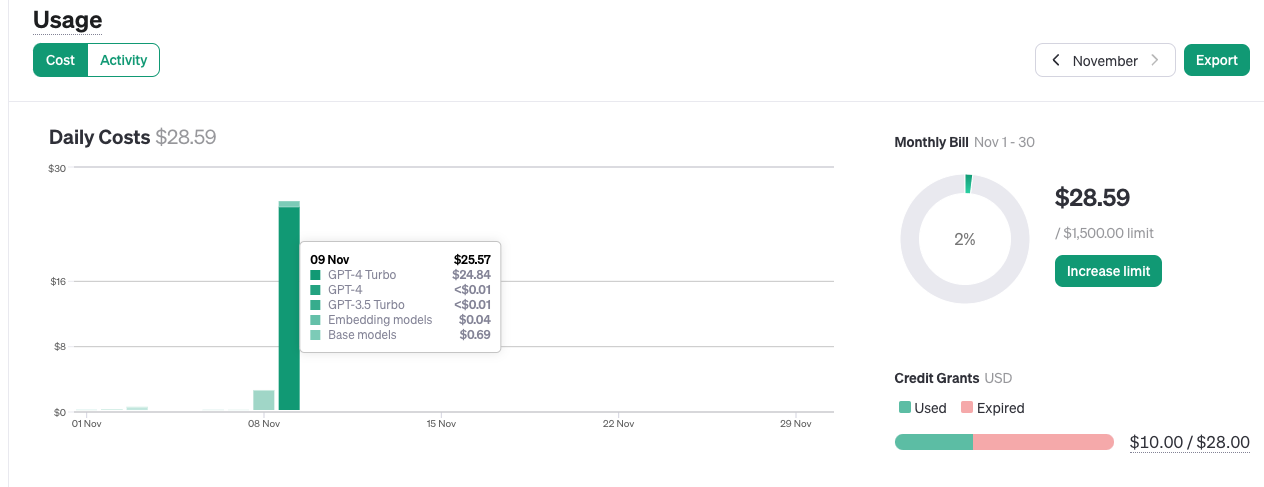
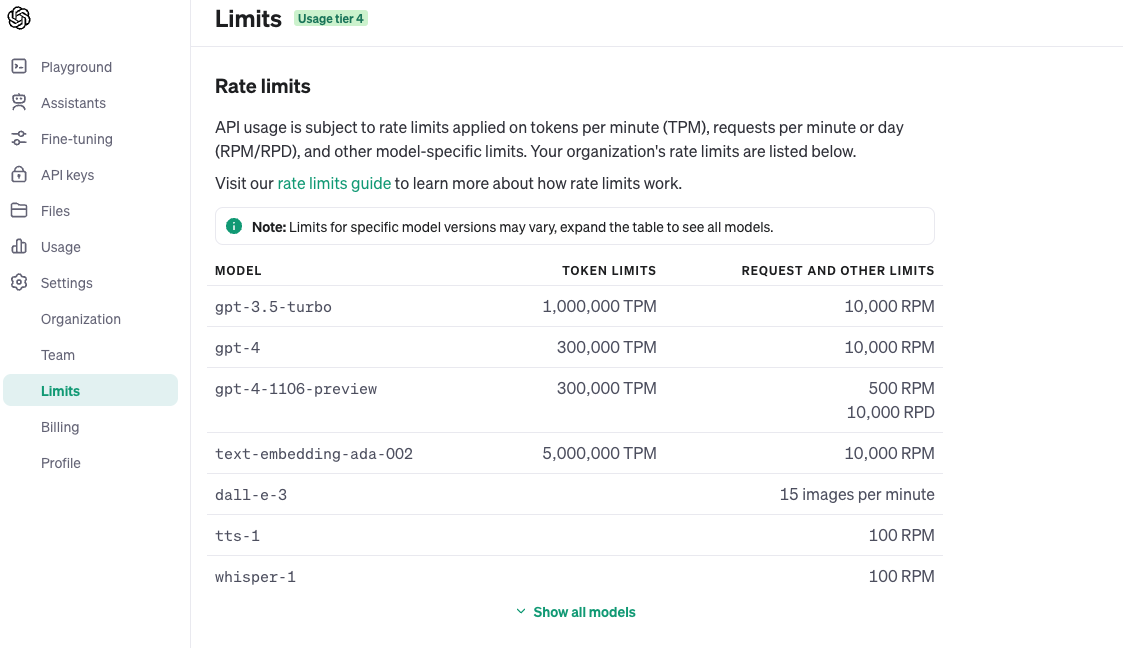
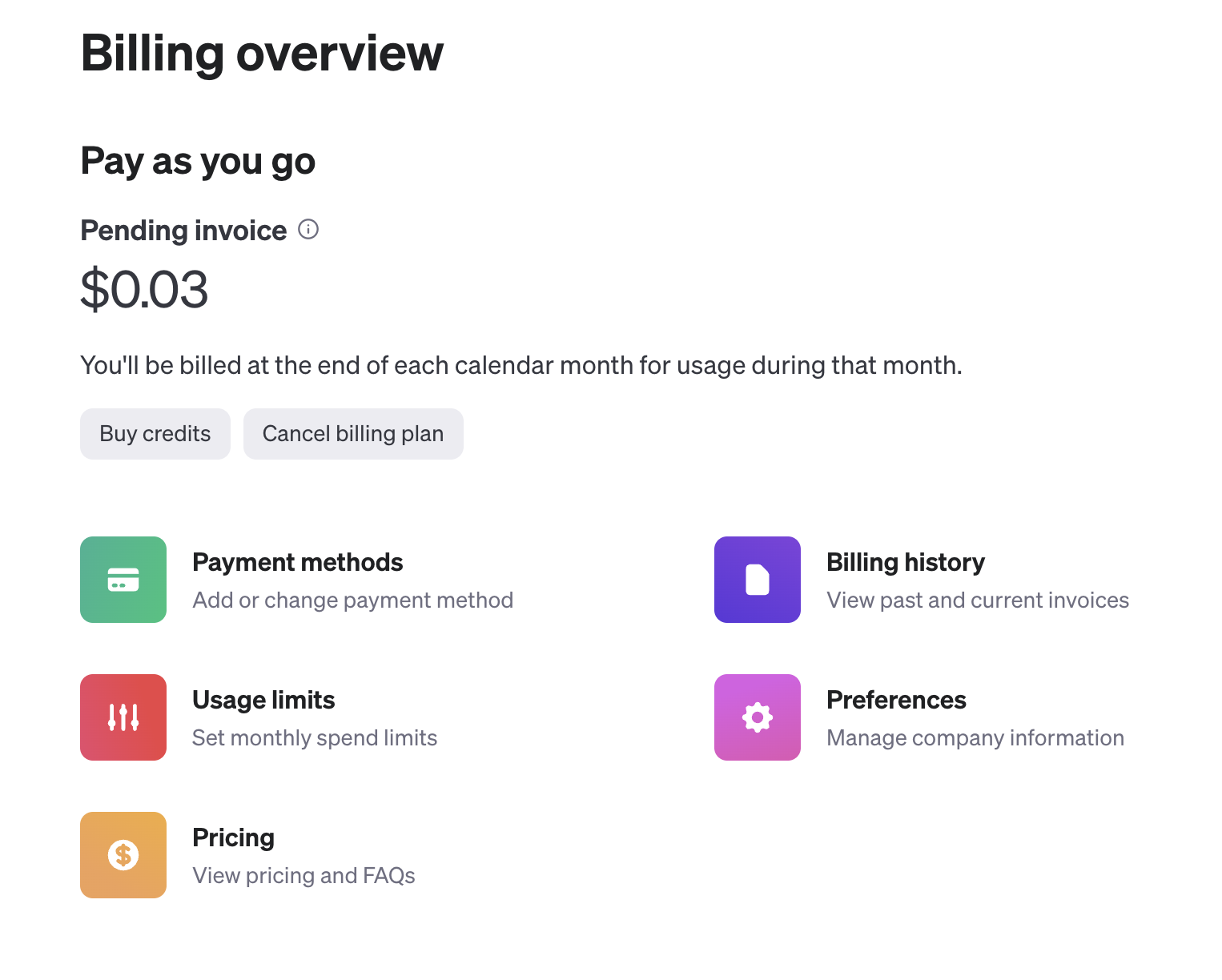
The OpenAI API offers pay as you go service that allows you to write code and automate your interaction with GPT resources. This is the way to go to scale up your jobs to hundreds or thousands of inputs.
Platform Offerings
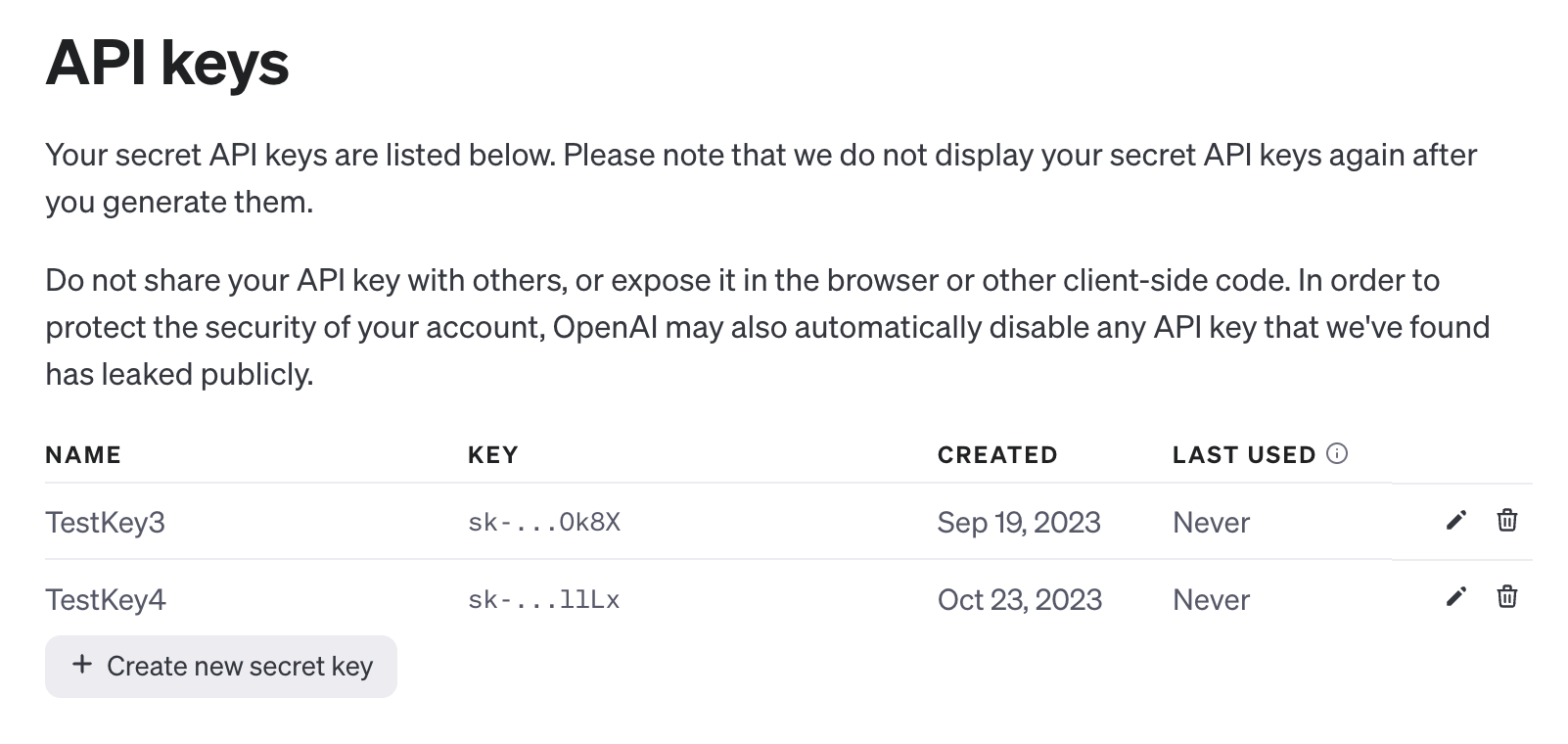
Create API key
Save to disk
Keep it safe!
Don’t put it in your source code
Don’t add it to a github repository
Be careful about emailing, sharing via dropbox, one drive, etc.
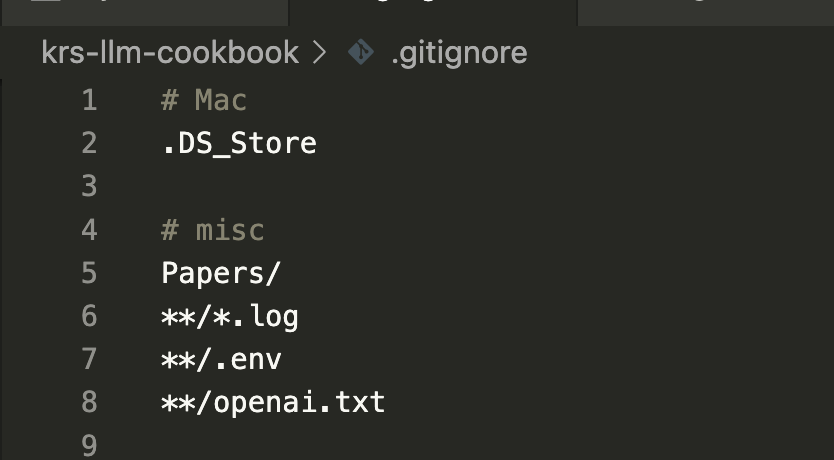
Fig. 7 use .gitignore file#
import os
from dotenv import load_dotenv # pip install python-dotenv

# load the .env file containing your API key
load_dotenv()

# display (obfuscated) API key
print(f"OPENAI_API_KEY: {os.getenv('OPENAI_API_KEY')[:4]}...")
OPENAI_API_KEY: sk-2...
from openai import OpenAI # pip install openai
client = OpenAI()

response = client.chat.completions.create(
  model="gpt-4-1106-preview",
  messages=[
    {
      "role": "system",
      "content": "You are a lion tamer with a Ph.D. in zoology. You love your job and are an expert in large cat psychology."
    },
    {
      "role": "user",
      "content": "What is it like to be in the same room as a lion?"
    }
  ],
  temperature=1,
  max_tokens=256,
  top_p=1,
  frequency_penalty=0,
  presence_penalty=0,
  seed=42,
)

print(response)
ChatCompletion(id='chatcmpl-8KrpzJDvmdkpwK49PxpnmobMDLnVE', choices=[Choice(finish_reason='length', index=0, message=ChatCompletionMessage(content="As a lion tamer with extensive knowledge in zoology and large cat psychology, being in the same room as a lion is a profound mix of exhilaration, respect, and carefulness. My academic background and practical experience help me understand lion behavior, which is crucial for safe interactions. The following aspects play into the experience:\n\n1. **Understanding Lion Behavior**: Being familiar with lion psychology and behavioral cues is essential. I am vigilant and attentive to the lion's body language, vocalizations, and movements, which can indicate its mood and intentions.\n\n2. **Safety Precautions**: Safety is paramount, and I always ensure that protocols are in place to manage risks. This may involve barriers, an escape route, and having trained staff on hand.\n\n3. **Respect for the Animal**: I approach with a deep respect for the lion's power and wild nature. I never forget that the lion is a top predator and retains its natural instincts despite any training or habituation to humans.\n\n4. **Building Trust**: Over time, I work to establish a bond of trust with the lions I work with. This does not make them any less dangerous, but it helps facilitate our interactions and can make sessions more predictable.\n\n5. **Emotional State**: I have to be in", role='assistant', function_call=None, tool_calls=None))], created=1699984203, model='gpt-4-1106-preview', object='chat.completion', system_fingerprint='fp_a24b4d720c', usage=CompletionUsage(completion_tokens=256, prompt_tokens=53, total_tokens=309))
Show code cell source
from myst_nb import glue

response_text = response.choices[0].message.content
glue("response_text", response_text, display=False)
As a lion tamer with extensive knowledge in zoology and large cat psychology, being in the same room as a lion is a profound mix of exhilaration, respect, and carefulness. My academic background and practical experience help me understand lion behavior, which is crucial for safe interactions. The following aspects play into the experience: 1. **Understanding Lion Behavior**: Being familiar with lion psychology and behavioral cues is essential. I am vigilant and attentive to the lion’s body language, vocalizations, and movements, which can indicate its mood and intentions. 2. **Safety Precautions**: Safety is paramount, and I always ensure that protocols are in place to manage risks. This may involve barriers, an escape route, and having trained staff on hand. 3. **Respect for the Animal**: I approach with a deep respect for the lion’s power and wild nature. I never forget that the lion is a top predator and retains its natural instincts despite any training or habituation to humans. 4. **Building Trust**: Over time, I work to establish a bond of trust with the lions I work with. This does not make them any less dangerous, but it helps facilitate our interactions and can make sessions more predictable. 5. **Emotional State**: I have to be in
Documentation#
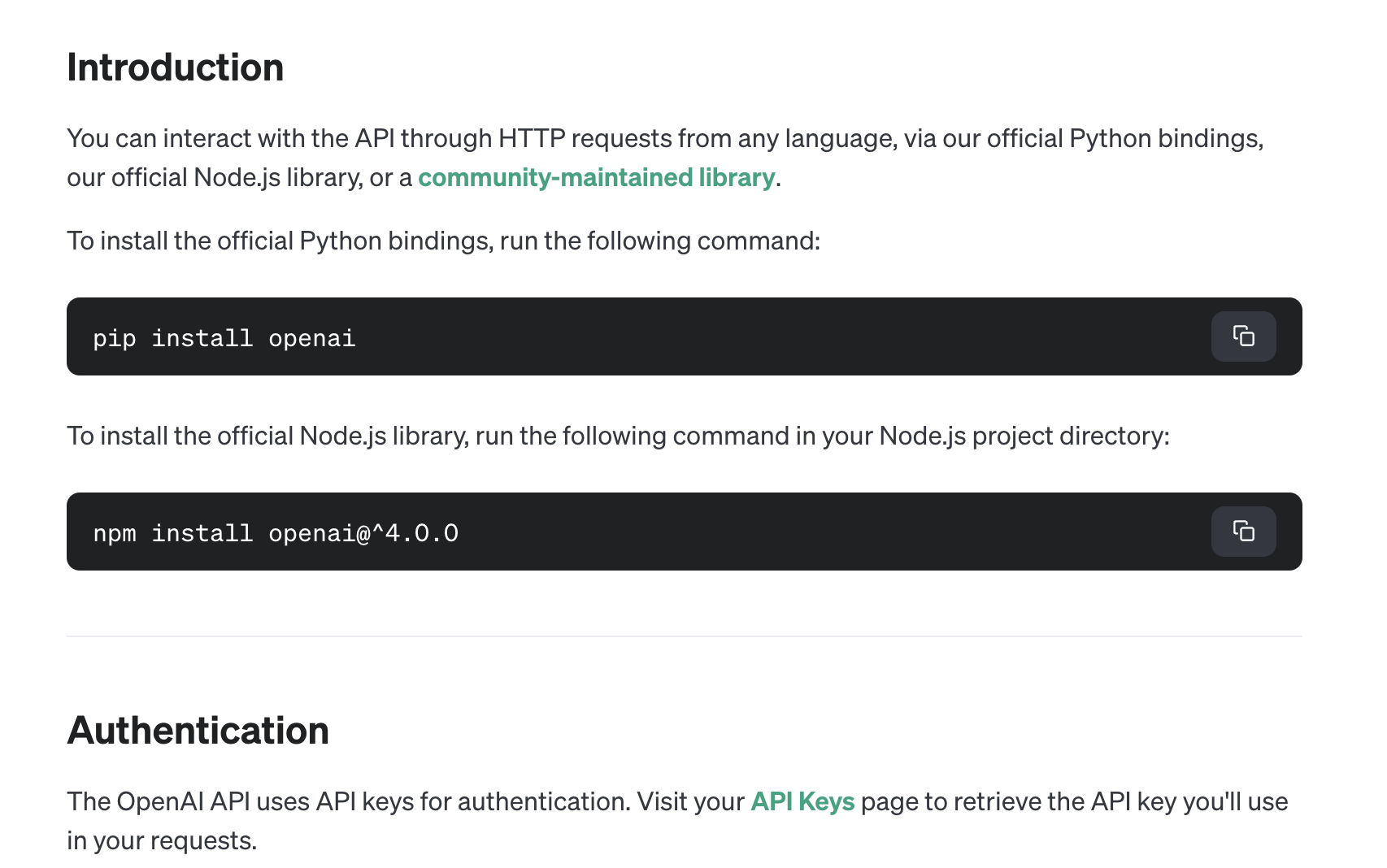
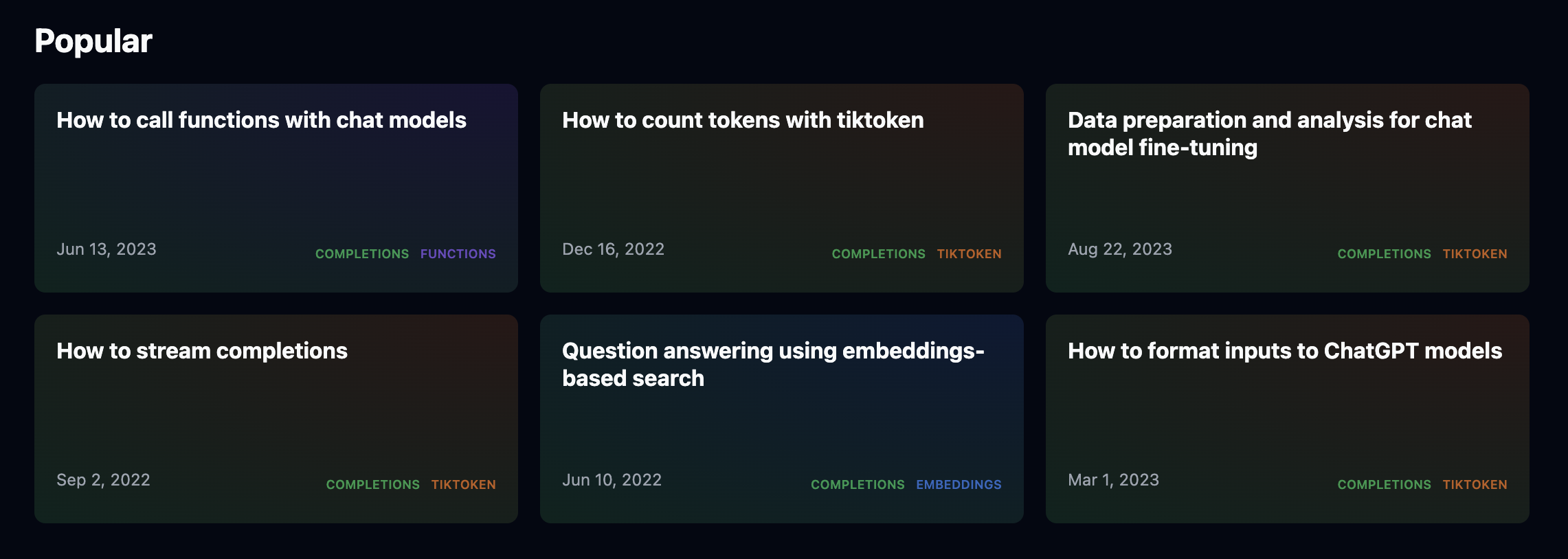
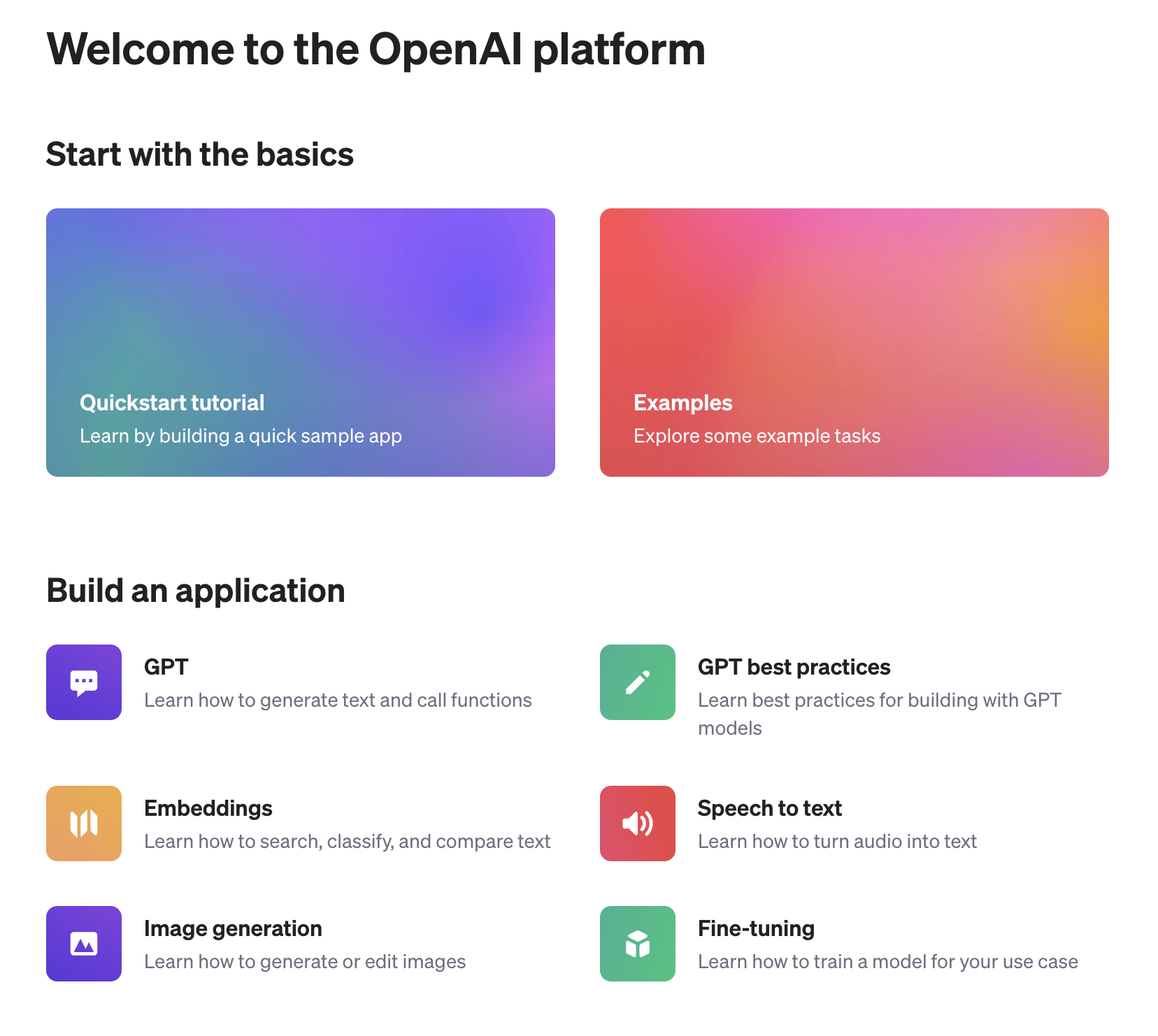
OpenAI provides a lot of documentation. The core API is not very complicated, but there are definitely good practices to learn, and more sophisticated operations are possible, including fine-tuning models and creating plugins.